After nine days weaving through Osaka markets, Kyoto temples, Nara deer parks and Hiroshima, we boarded the Shinkansen heading north to Tokyo. We had no idea what was waiting. Part 2 was a completely different kind of travel: less ancient, more electric. If you missed Part 1 covering Osaka, Kyoto, Nara and Hiroshima, read it here.
Neon-lit streets, immersive art installations, volcanic lakes reflecting a snowcapped peak, and a theme park built entirely around a video game world we grew up loving. Japan kept finding new ways to surprise us.
This is the full story of our final nine days: from Shibuya Crossing to the summit of Mt Fuji, Osaka Expo 2025 and Super Nintendo World at Universal Studios Japan.
Shibuya Crossing, the Nintendo Store and Centifolia Bar
We arrived at Tokyo Station in the early afternoon after a smooth two-hour-twenty Shinkansen ride from Kyoto. The contrast with Osaka was instant. Where Osaka felt loud and fast, Tokyo felt enormous and somehow still efficient. Thousands of people moving at pace, all apparently knowing exactly where they were going.
We checked into Act Hotel Roppongi, dropped our bags and walked straight to Shibuya. The scramble crossing at rush hour is something that has been photographed ten million times and is still not properly capturable. Six pedestrian streams, all at once, in total silence except for the chirping of the crossing signals. We stood watching it for 20 minutes before crossing ourselves.
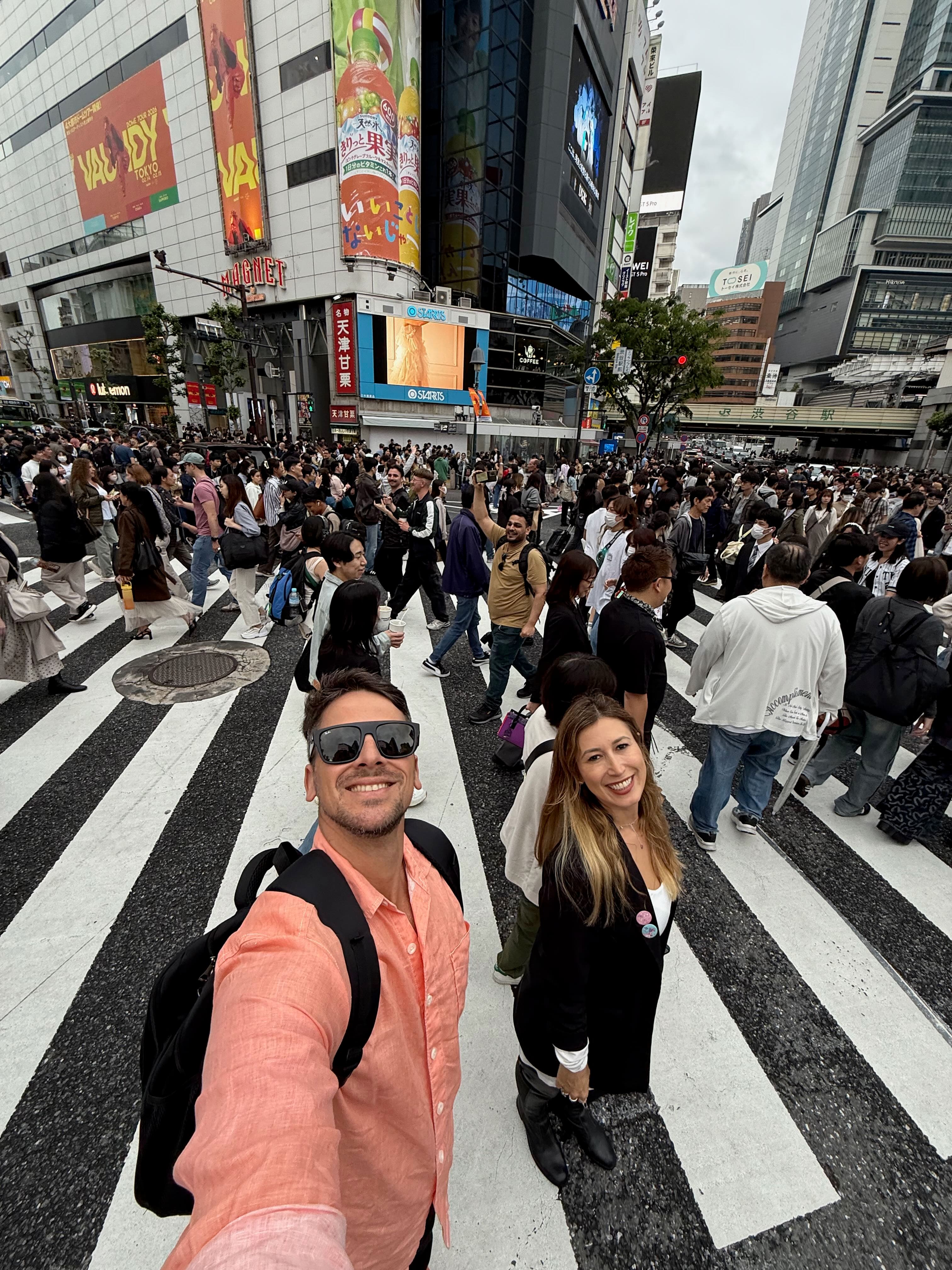
Shibuya Crossing at rush hour. Six streams of pedestrians, all at once. Nothing prepares you.
That evening we found a complex near Shibuya packed with izakayas on every floor: small counters, steam rising from grills, locals packed shoulder to shoulder around low tables. We picked one at random and stayed for two hours. The food was exceptional: yakitori skewers still sizzling from the charcoal, cold Sapporo on draft, a ceramic flask of warm sake that appeared without us asking. No English menu, no tourist pricing, just good food and the low hum of a neighbourhood winding down after work. This is exactly what Japan is supposed to feel like.
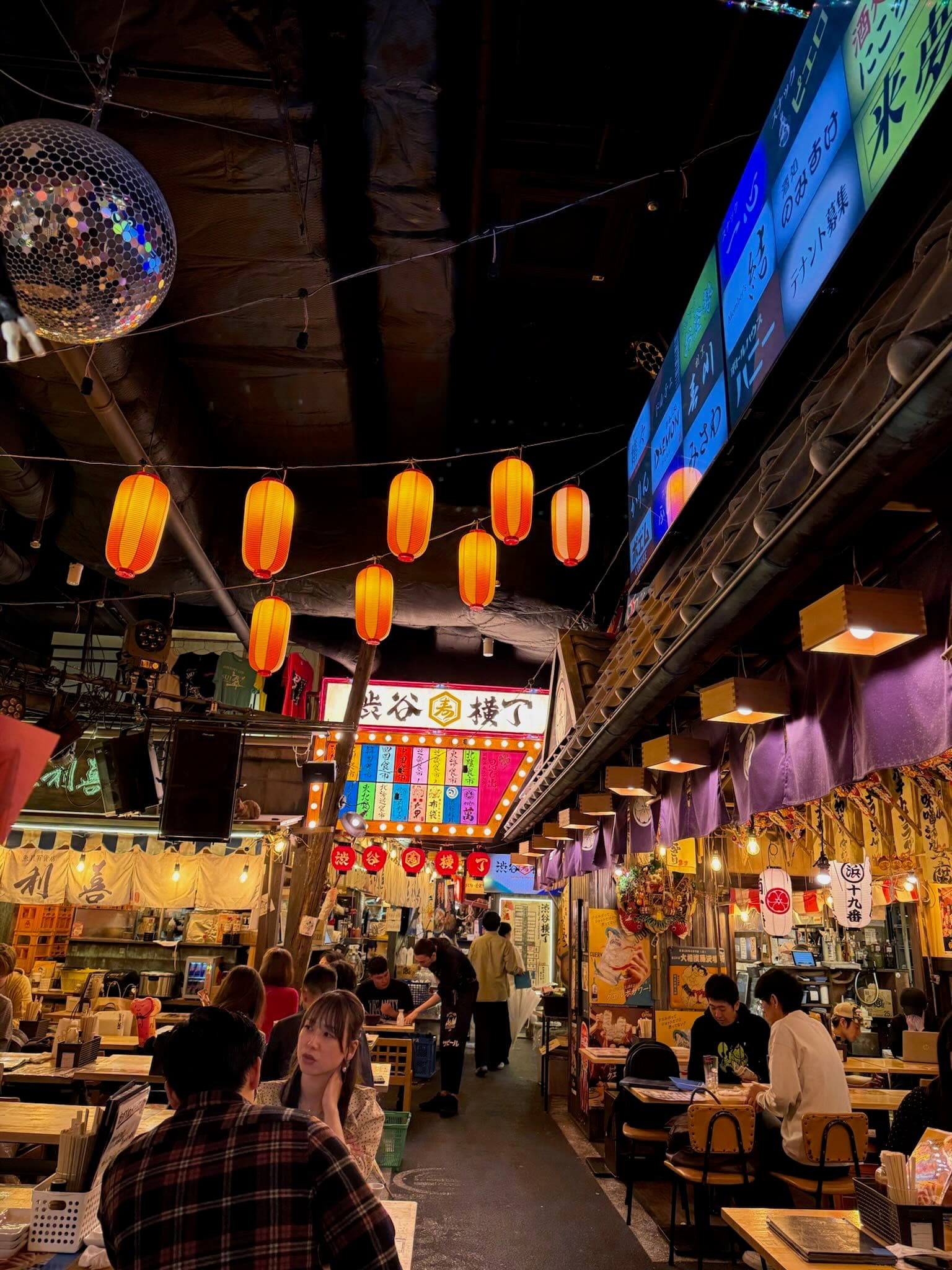
Somewhere near Shibuya. One of those nights you cannot plan for.
We ended the night at Centifolia, hidden on an upper floor in Azabu-Juban: one of the most difficult reservations in Tokyo and one of the most theatrical bar experiences we have ever had. The bartender is something of a legend, known globally for using a samurai sword to cut and shape the ice before building each cocktail. His drinks have gone viral online multiple times. The atmosphere is intimate and entirely deliberate: dim light, no music loud enough to interrupt conversation, every movement behind the bar precise and unhurried. Drinks are expensive. Advance booking is essential, and tables are booked out weeks ahead.
We had not booked. We decided to go anyway on the assumption that nothing ventured meant nothing gained. The receptionist checked, came back, and told us there was nothing available at the bar where everyone wants to sit. But then a pause: he could let us stand at the bar briefly while the bartender prepared our drinks, before moving to a table. We said yes immediately. Standing at that bar watching a sword come down on a block of clear ice, then watching the resulting shapes disappear into the drinks being built for us, was worth every yen.
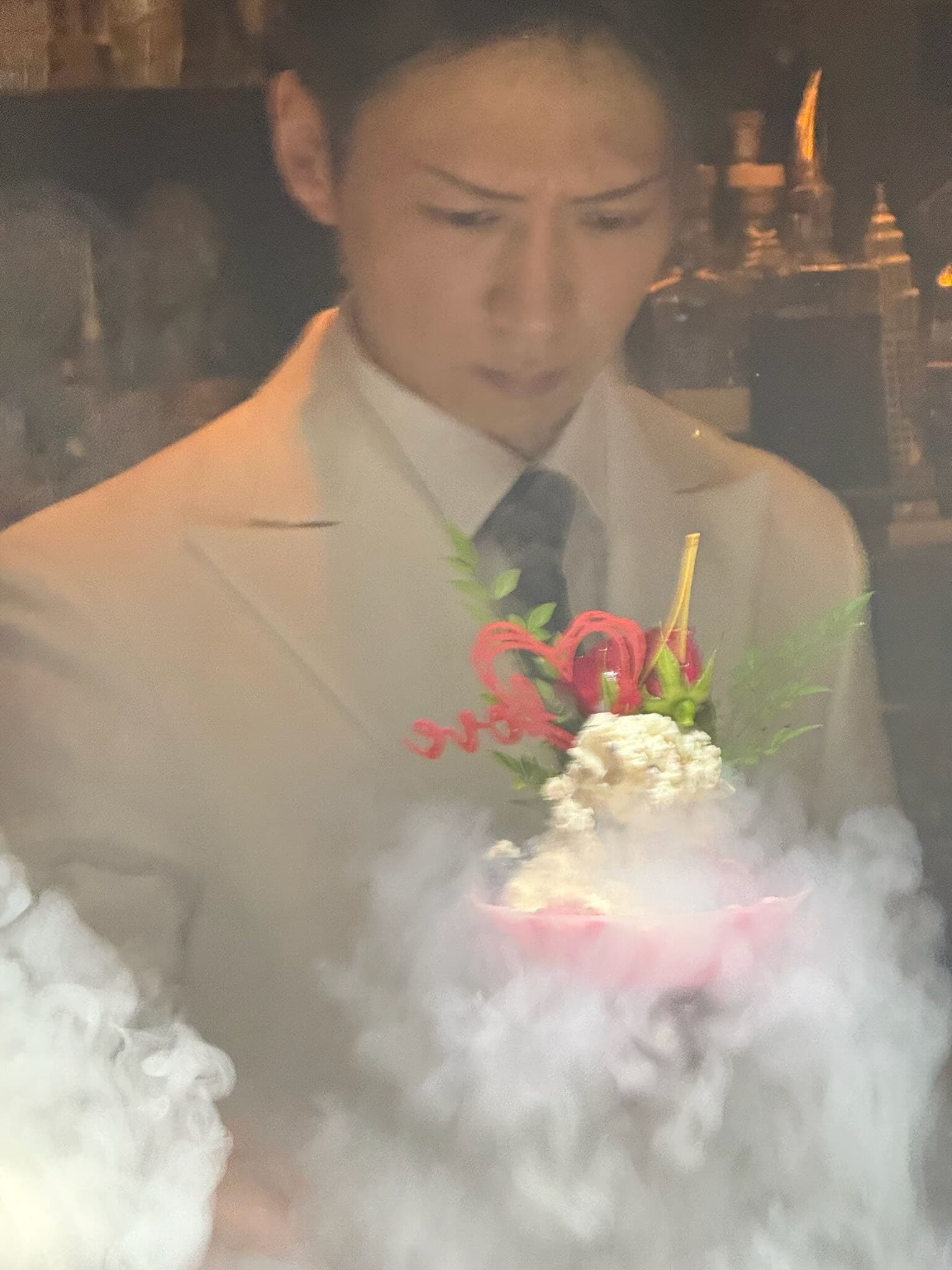
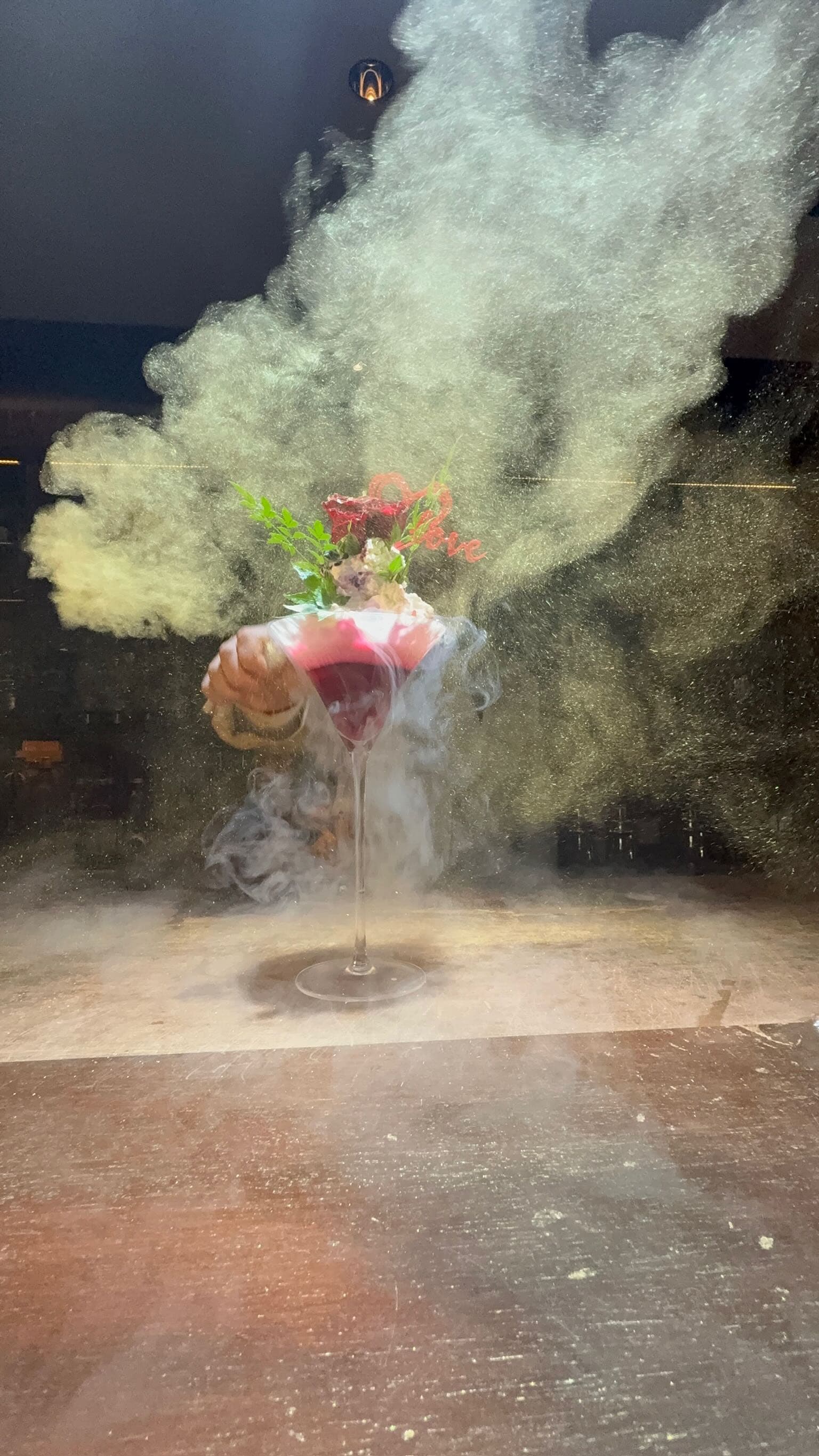
Centifolia, Azabu-Juban. A sword, a block of ice and one of the hardest bar reservations in Tokyo.
Akihabara Electronics and Go-Karts Through Central Tokyo
We spent the morning in Akihabara. Several floors of electronics, anime figurines, retro game cartridges and maid cafes. Even with no interest in buying anything, it is visually overwhelming in the best way.
In the afternoon we did the go-kart experience through the streets of Tokyo in costume characters. We went as Pokemons. We booked through Klook in advance. You pick your costume, get a safety briefing and follow a guide through real public roads across Akihabara, Akasaka and parts of central Tokyo. It is chaotic, legal and absolutely ridiculous fun.
You must hold a valid international driving permit to drive. Get one before you leave home. Without it, you will follow in a passenger vehicle instead.
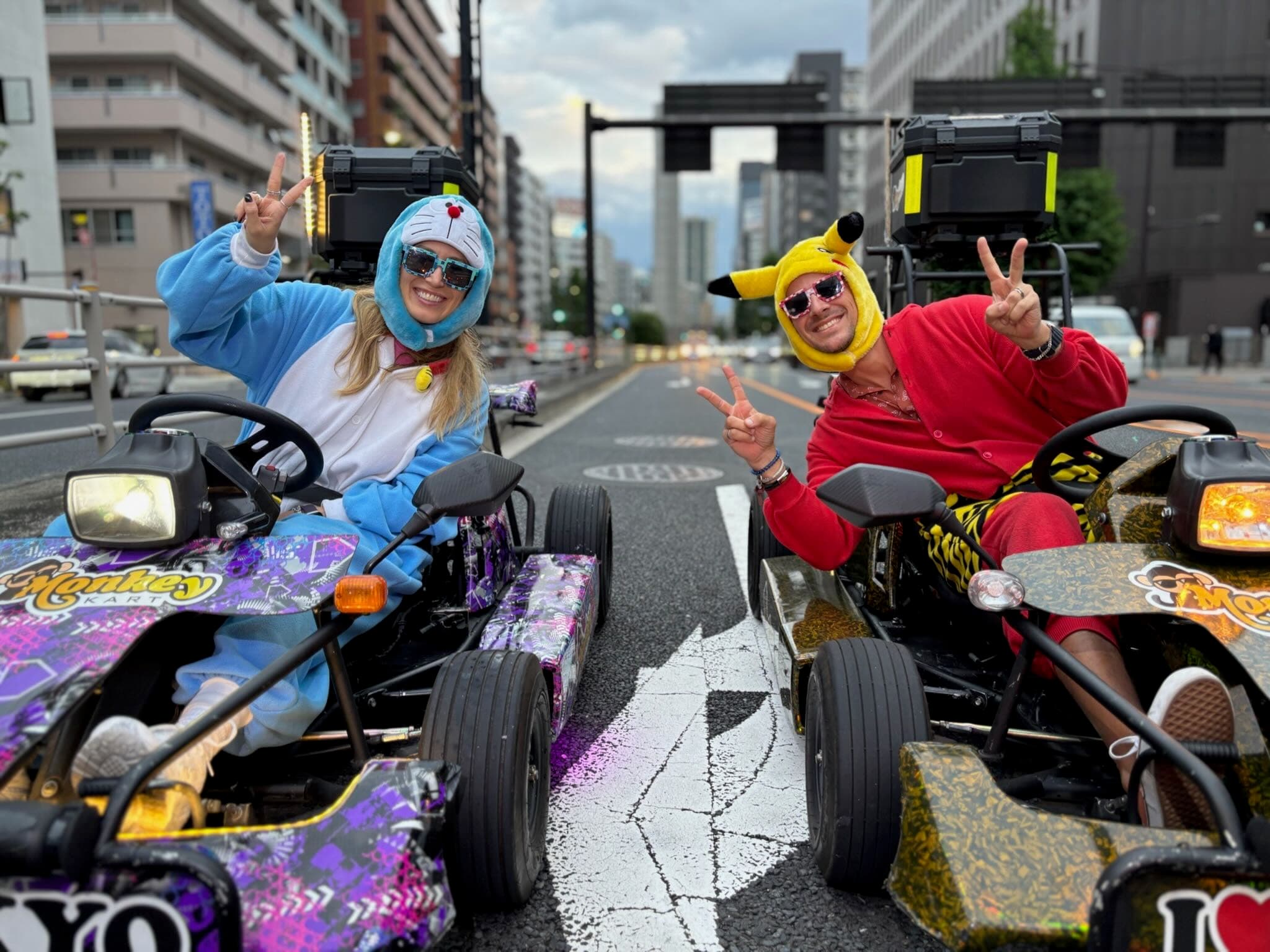
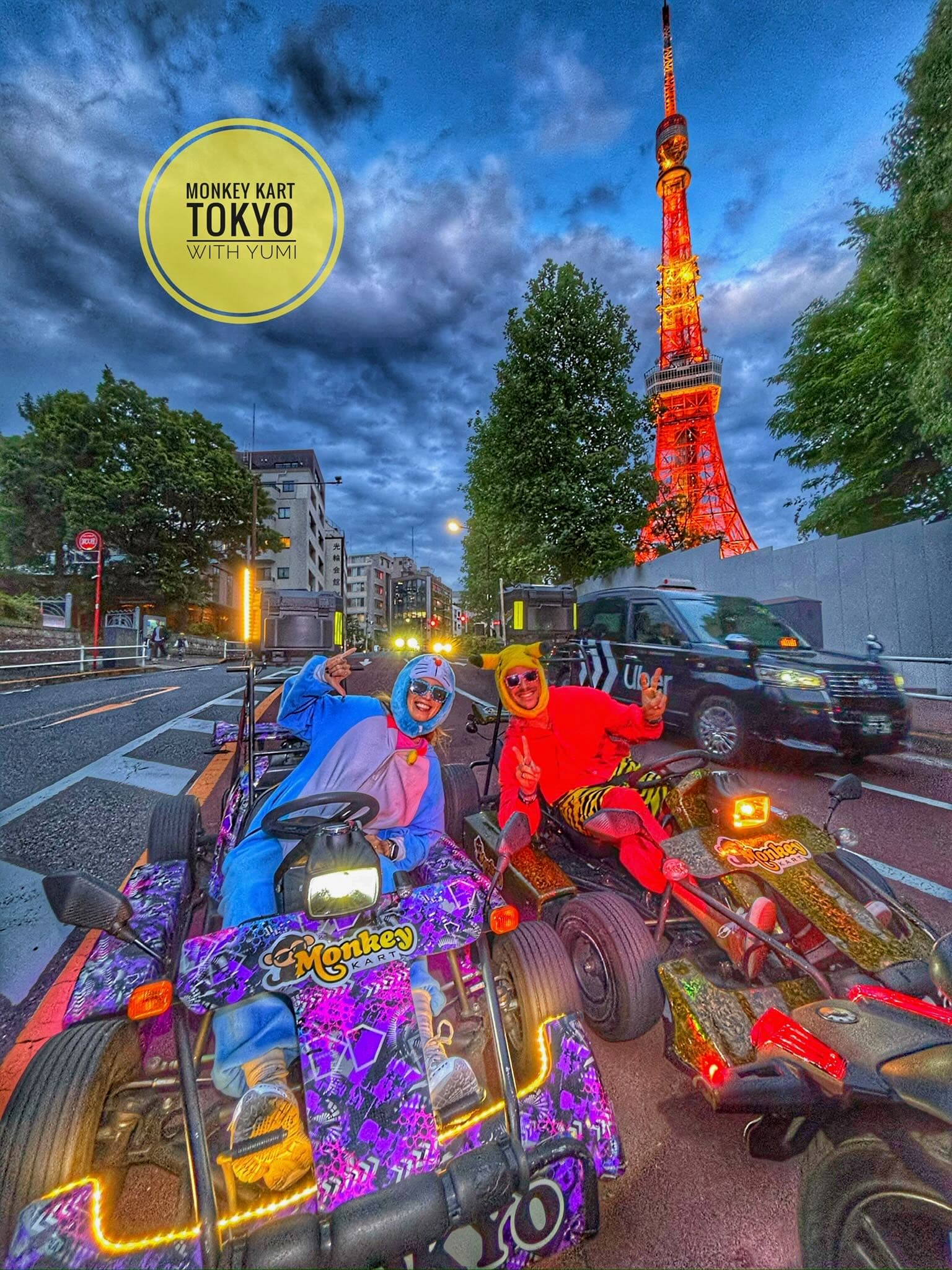
Street go-karting through Tokyo. Completely unhinged. Completely essential.
TeamLab Borderless: Four Hours Was Not Enough
TeamLab Borderless is an immersive digital art museum where installations bleed between rooms with no defined paths. You wander. Art follows you, reacts to you, splits around you. We spent four hours inside and still felt like we missed things. The forest room, where thousands of hanging lanterns shift colour in response to touch, was the highlight.
Book ahead on Klook and go with no plan: just wander.
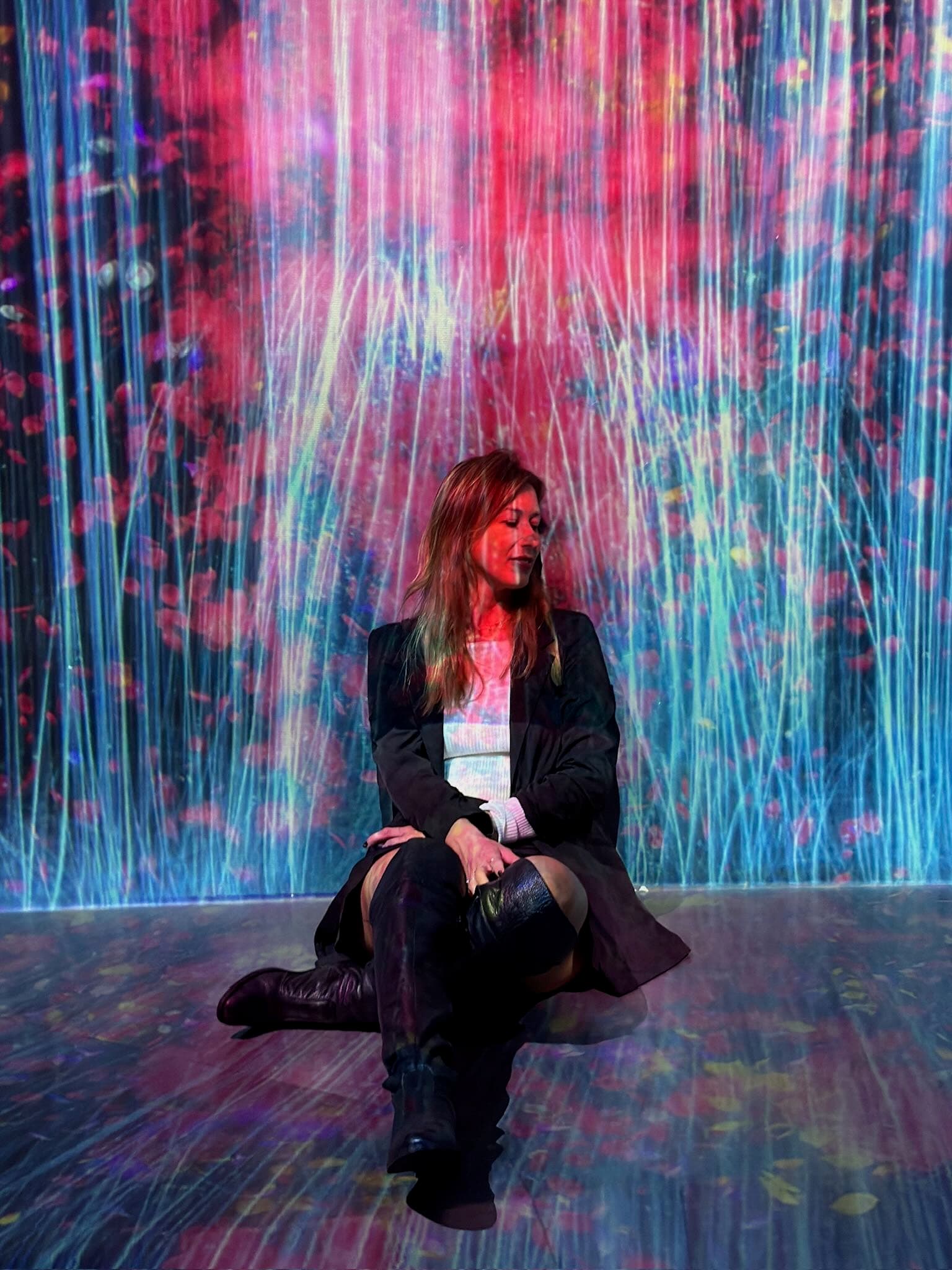
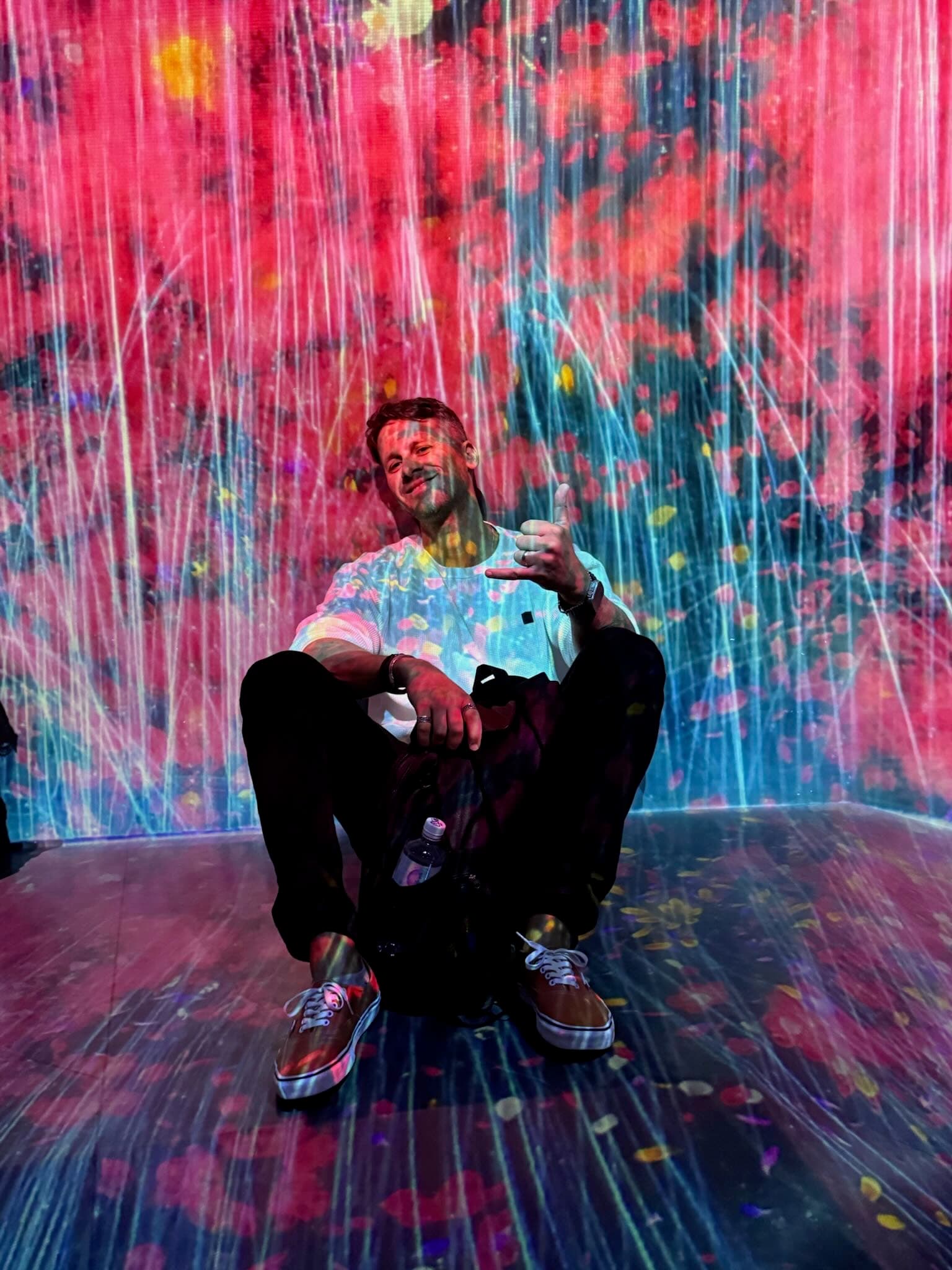
TeamLab Borderless, Tokyo. Every room is different. Every photo looks like a dream.
That night we found a robot restaurant-style show bar near Shinjuku, which was exactly as absurd as described: giant robots, neon costumes and enthusiastic audience participation. We also found a karaoke bar in the Shinjuku entertainment district, where we stayed until 2am.
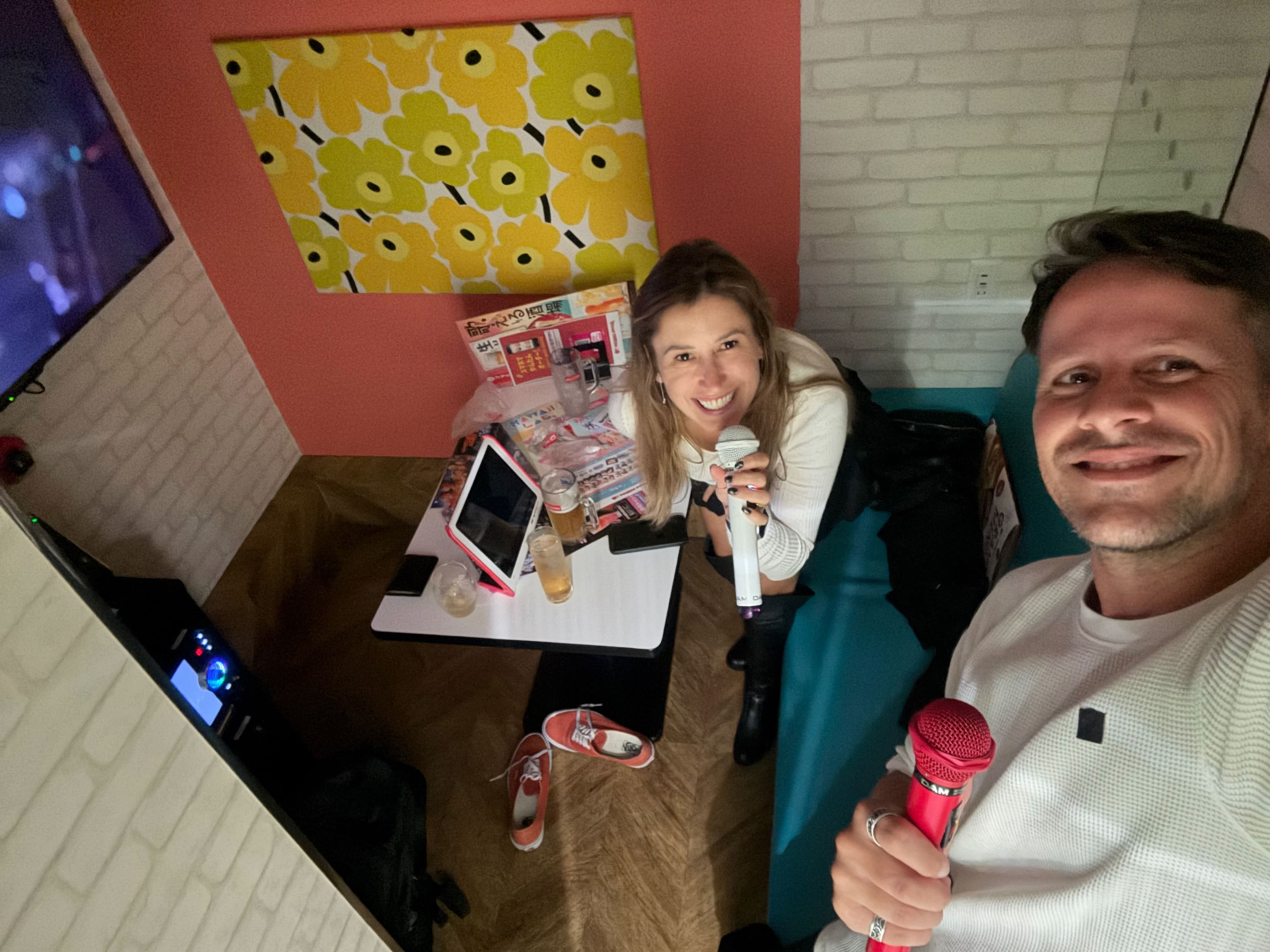
2am karaoke in Shinjuku. We gave it everything.
Planning your own Japan trip?
Luna builds personalised Japan itineraries in seconds, balancing cities, temples, theme parks and travel logistics automatically.
Plan my Japan trip with LunaSlow Morning, Cafe L'Occitane and a Full Day Shopping in Roppongi
The morning started gently. We walked to Cafe L'Occitane in Shibuya, found a window table on an upper floor looking directly down onto the scramble crossing, and had a proper breakfast. Watching the crossing from above while coffee goes cold is a completely different experience from standing inside it. Worth the queue for a good seat.
The rest of the day was for Roppongi. Not the nightlife Roppongi, but the daytime version: towers of retail floors, convenience stores stacked into multi-level buildings, and the kind of pharmacy sprawl that Japan does like nowhere else. We spent most of the afternoon in Matsumoto Kiyoshi, the Japanese pharmacy chain that doubles as a beauty and lifestyle superstore. It takes at least two floors and an hour before you understand what you are looking at. We left with skincare products, snacks, eye masks and things we still cannot fully identify.
Tokyo's multi-floor shopping buildings reward going all the way to the top and working down. The top floors are always the least crowded and often the most interesting. A tip for anyone doing the same.
Shibuya Sky at Sunset: The Best View of the Entire Trip
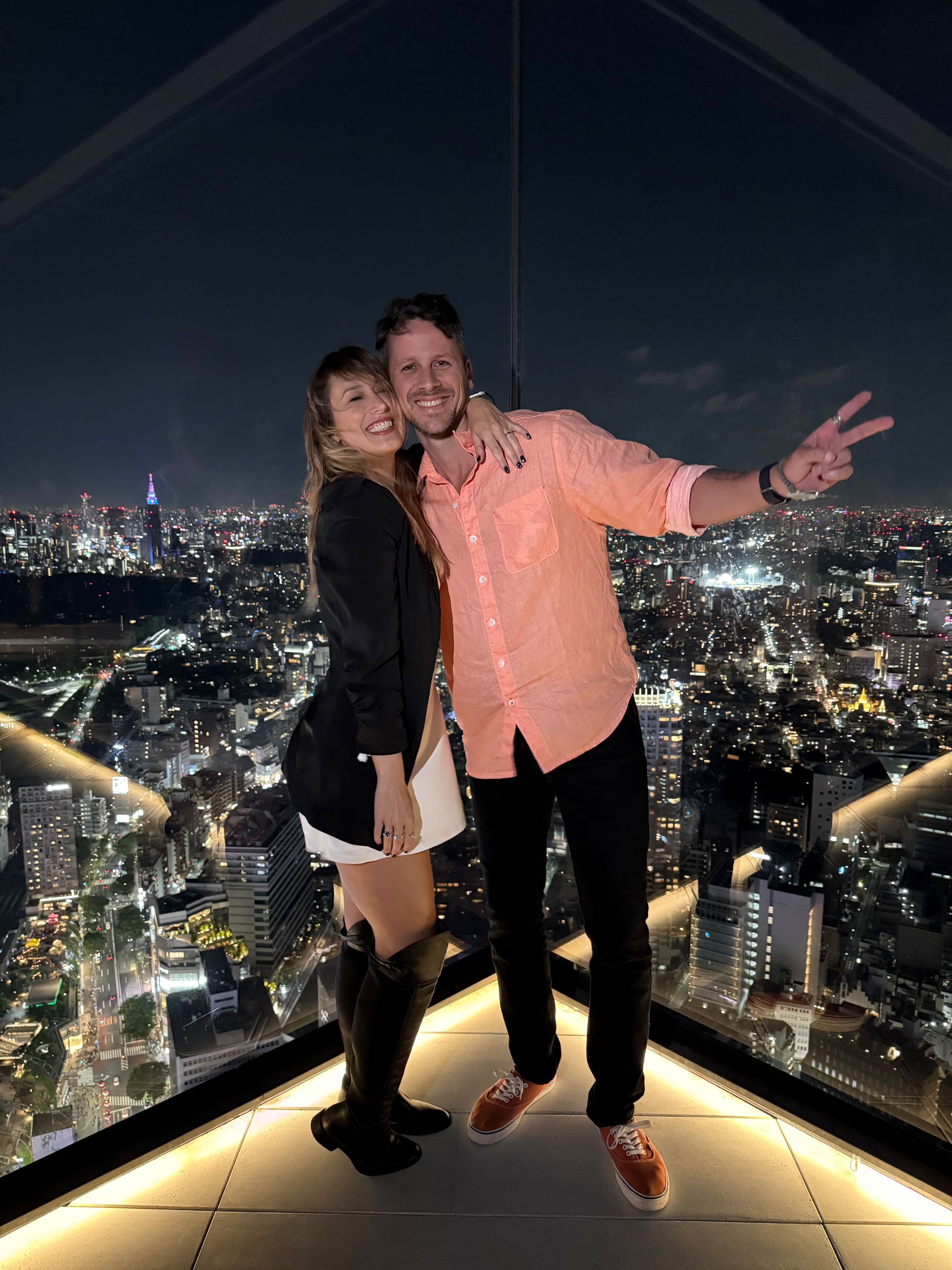
Shibuya Sky is the open-air rooftop observation deck on top of Scramble Square, 230 metres above the city. At sunset, the light catches the sprawl of Tokyo in all directions. On a clear day you can see Mt Fuji on the horizon.
This was the single best view of the entire trip. Book the sunset time slot on Klook and arrive slightly early to secure a spot on the open-air section.
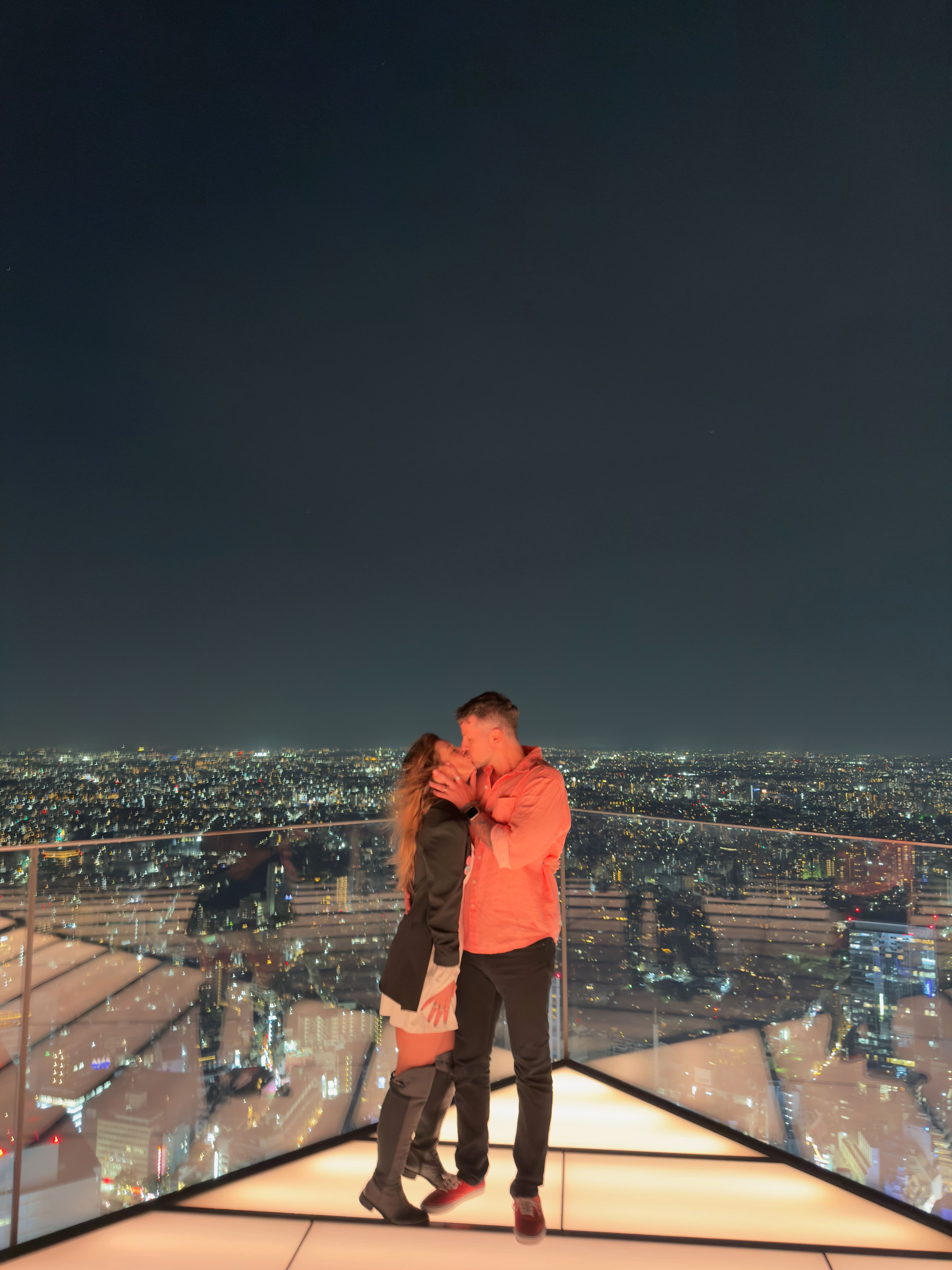
Shibuya Sky at sunset. Book the sunset slot. Arrive 20 minutes early.
After sunset we went to Omoide Yokocho (Memory Lane): a cluster of tiny yakitori and ramen stalls in narrow alleys just west of Shinjuku Station. Standing at a counter eating grilled skewers under yellow light with smoke rising around you is one of those Tokyo moments that stays with you.
Day Trip to Mt Fuji and Fuji-Q Highland
The day trip to Mt Fuji from Tokyo takes about two hours by coach. Go on a clear day, check the weather the night before, and book transport in advance.
Book a Mt Fuji day trip on Klook for the easiest round-trip from Tokyo. Mt Fuji completely delivers. We visited the 5th Station on the Fujiyoshida side. The scale of the mountain against the landscape around it is genuinely something.
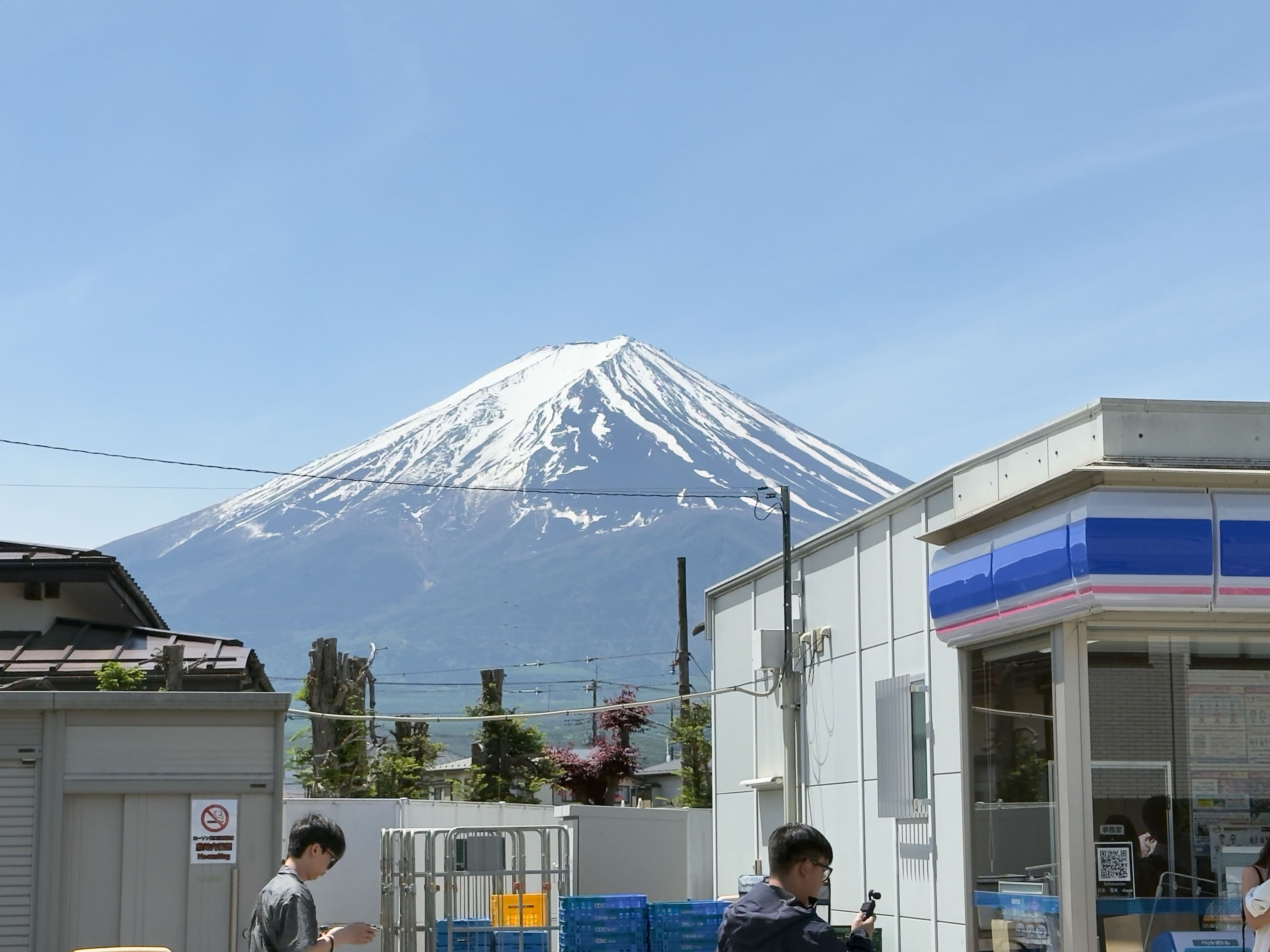
Mt Fuji. Everything you imagined. Exactly that.
Fuji-Q Highland is the amusement park directly at the base of Mt Fuji. It has some of Japan's most extreme roller coasters: Fujiyama, Do-Dodonpa and Eejanaika all appear in the top tier of ride rankings globally. The park is genuinely intense. We went on Fujiyama first and spent the rest of the afternoon recovering between coasters.
Queues in May were 2 to 3 hours for the major rides. Go on a weekday or arrive at opening time to front-load the big coasters before crowds build. The park also has quieter sections with Thomas the Tank Engine rides if you need a reset.
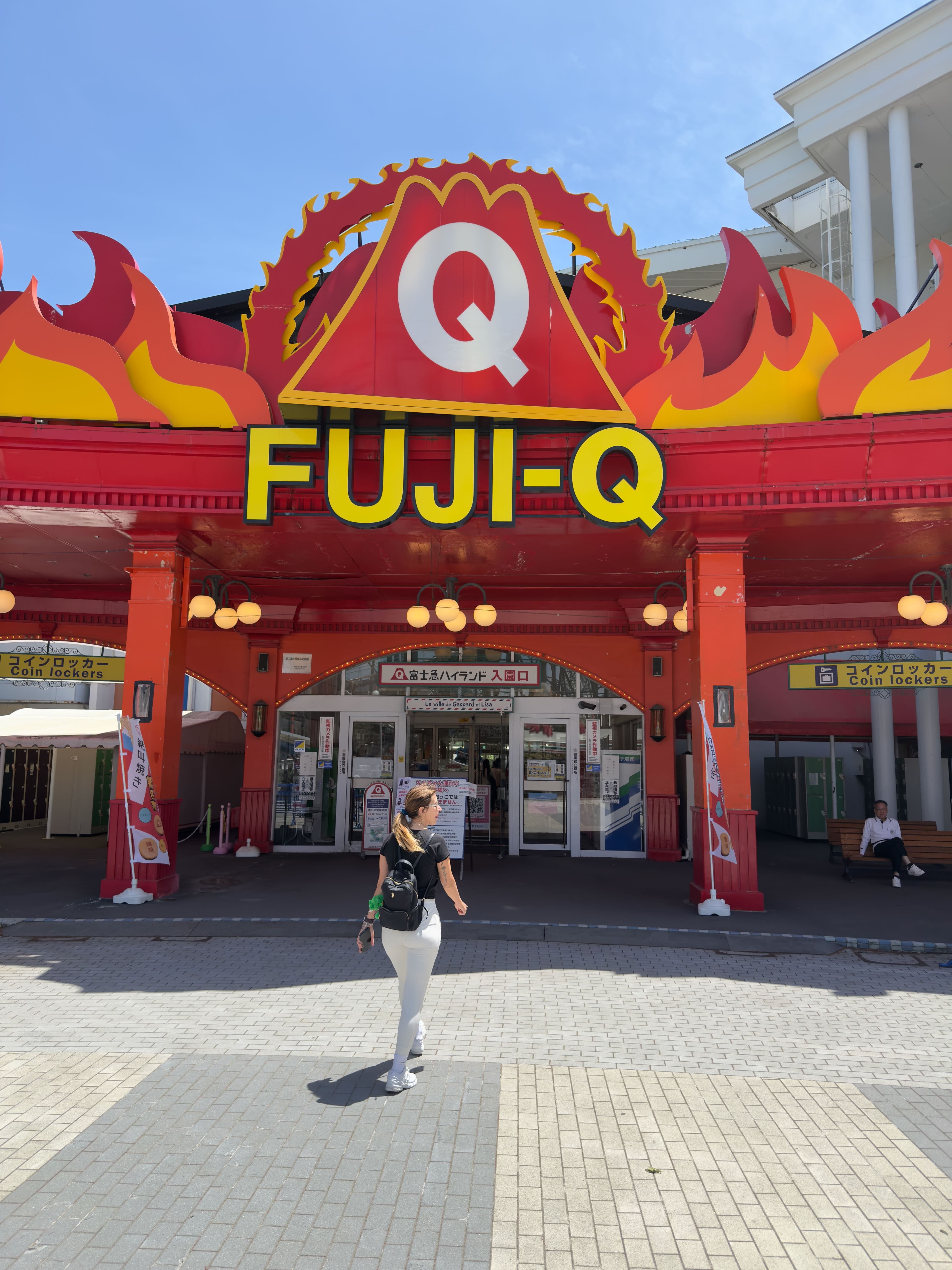
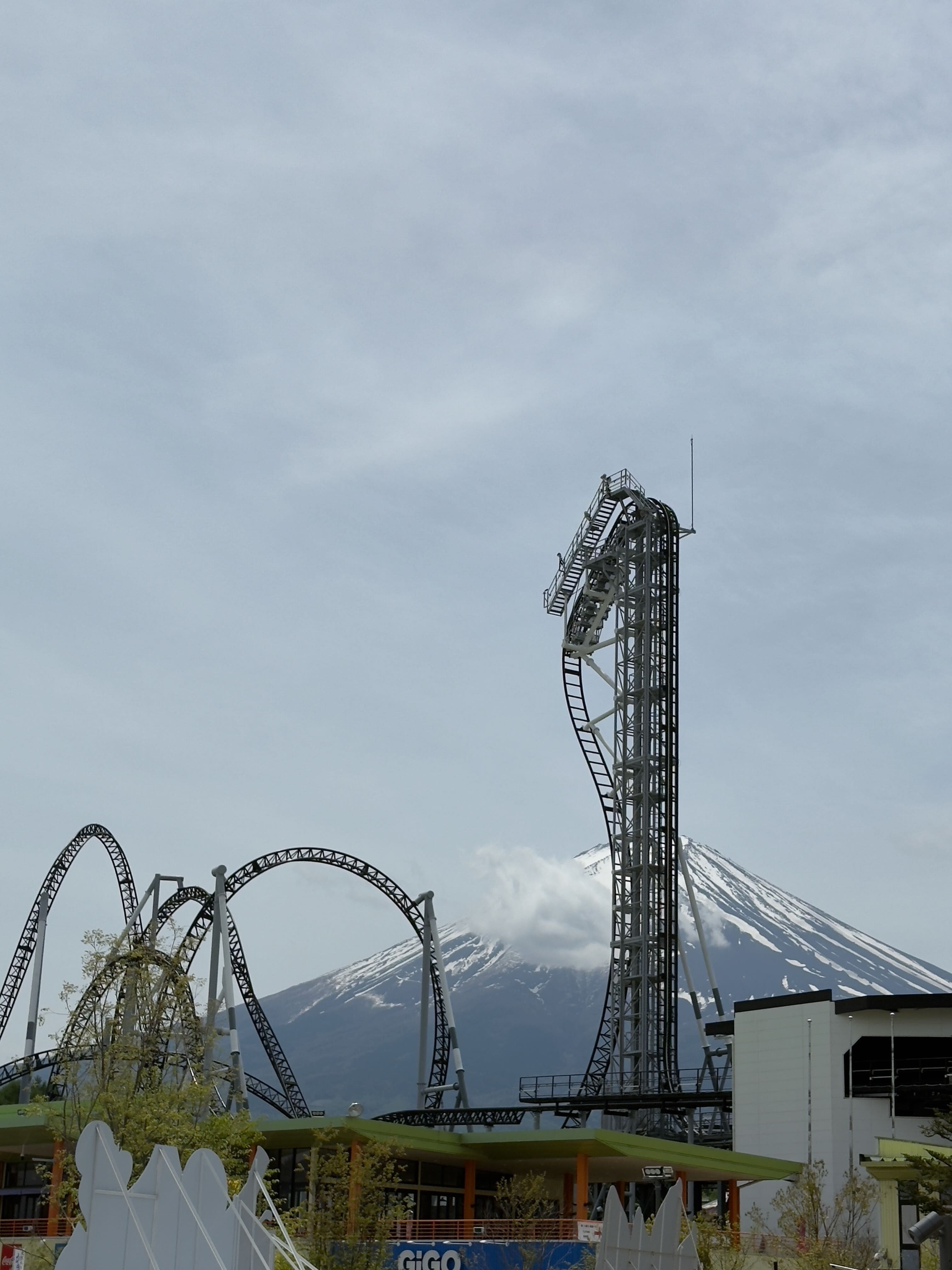
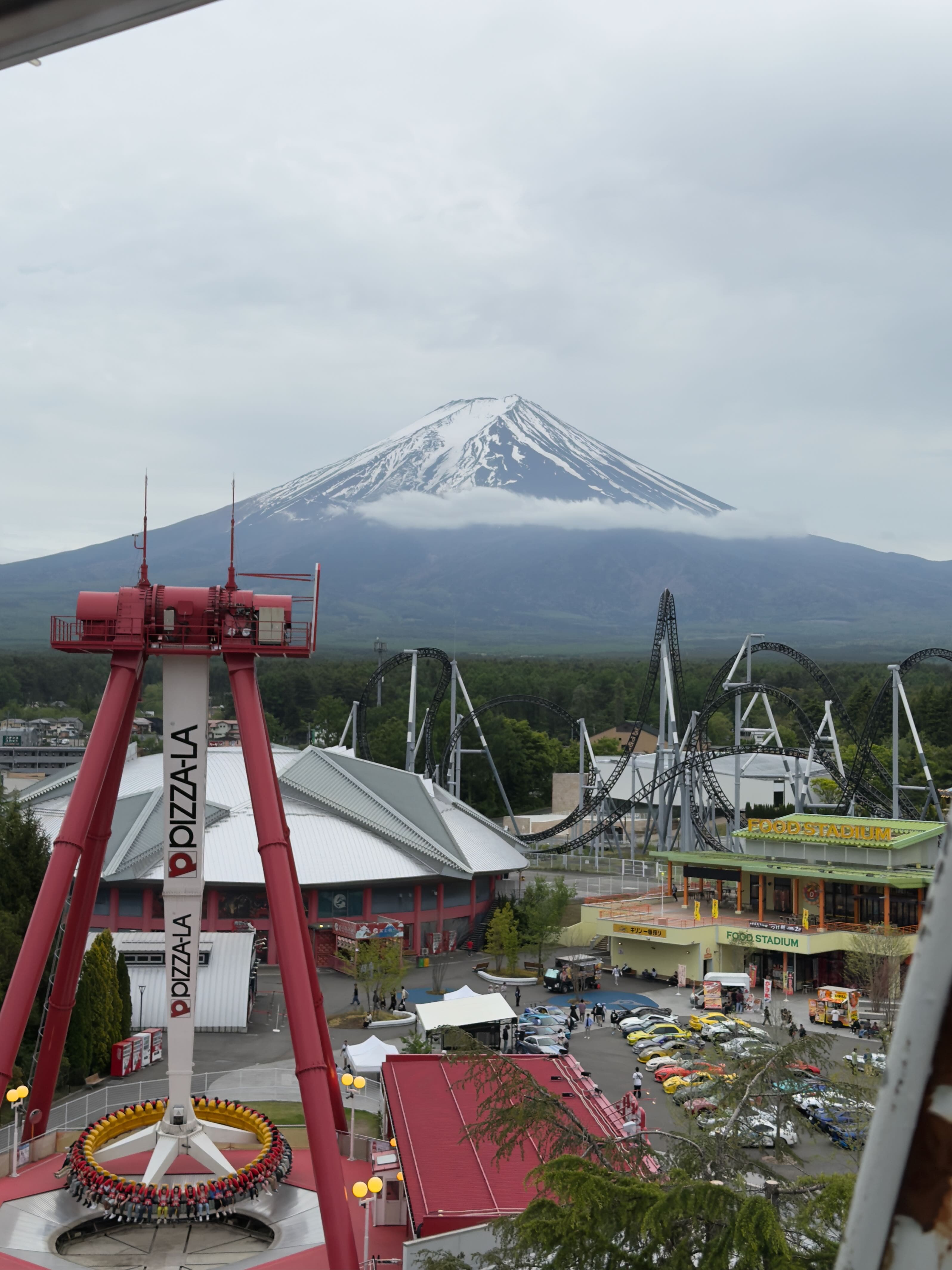
Fuji-Q Highland. Extreme rides, extraordinary backdrop.
Osaka Expo 2025: Surprisingly, Genuinely Impressive
From Tokyo we returned to Osaka for the final days, staying at the Oriental Hotel Universal City, perfectly placed for the Expo and Universal Studios.
The 2025 World Expo ran on Yumeshima, an artificial island in Osaka Bay. We went expecting something corporate. We were wrong.
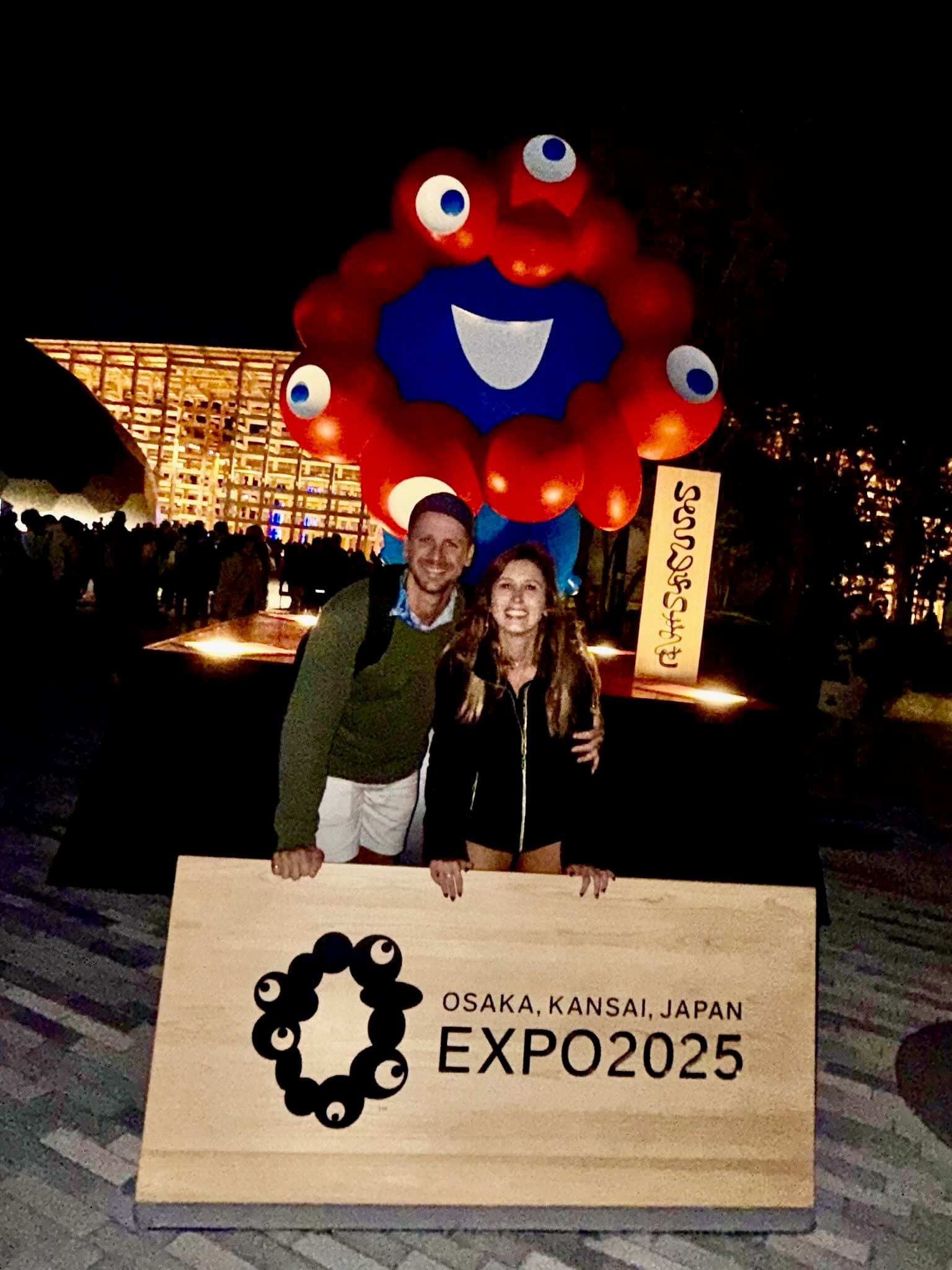
Osaka Expo 2025. Go early, stay late.
The Grand Ring is the first thing you see. A 2km wooden circular structure enclosing the entire site, designed by architect Sou Fujimoto. It is the largest wooden structure ever built. Standing underneath it and understanding the scale takes a moment. The engineering is extraordinary and Japan built it in under two years.
Around 160 countries participated. The Saudi Arabia pavilion stood out: a fully immersive dark environment with projection and sound that felt closer to an art installation than a trade fair exhibit. The Japan pavilion focused on food technology, materials and sustainable design, and did it without feeling corporate. Smaller country pavilions from places like Bhutan and Rwanda had real craft and quiet character that the bigger national pavilions sometimes lacked.
Plan a full day and arrive when it opens. The Saudi Arabia and Japan pavilions queue from mid-morning. Go to one of those first, then work outward to smaller pavilions in the afternoon when the peak crowds have moved on.
Super Nintendo World: The Best Theme Park Experience Either of Us Has Ever Had
Book Universal Studios Japan tickets on Klook in advance. For Super Nintendo World, also book a timed entry reservation alongside your park ticket.
Walking through the entry pipe into the Mushroom Kingdom and hearing the music start is one of the most genuinely delightful experiences in the world. Every surface, every sound, every detail has been designed with unreasonable care. The rides are excellent. The interactive wristband challenges are addictive.
Wilson, who has played Mario games since childhood, was emotional within approximately four minutes of entering. This is correct behaviour.
Donkey Kong Country is spectacular. The mine cart rollercoaster is faithful to the game in all the right ways.
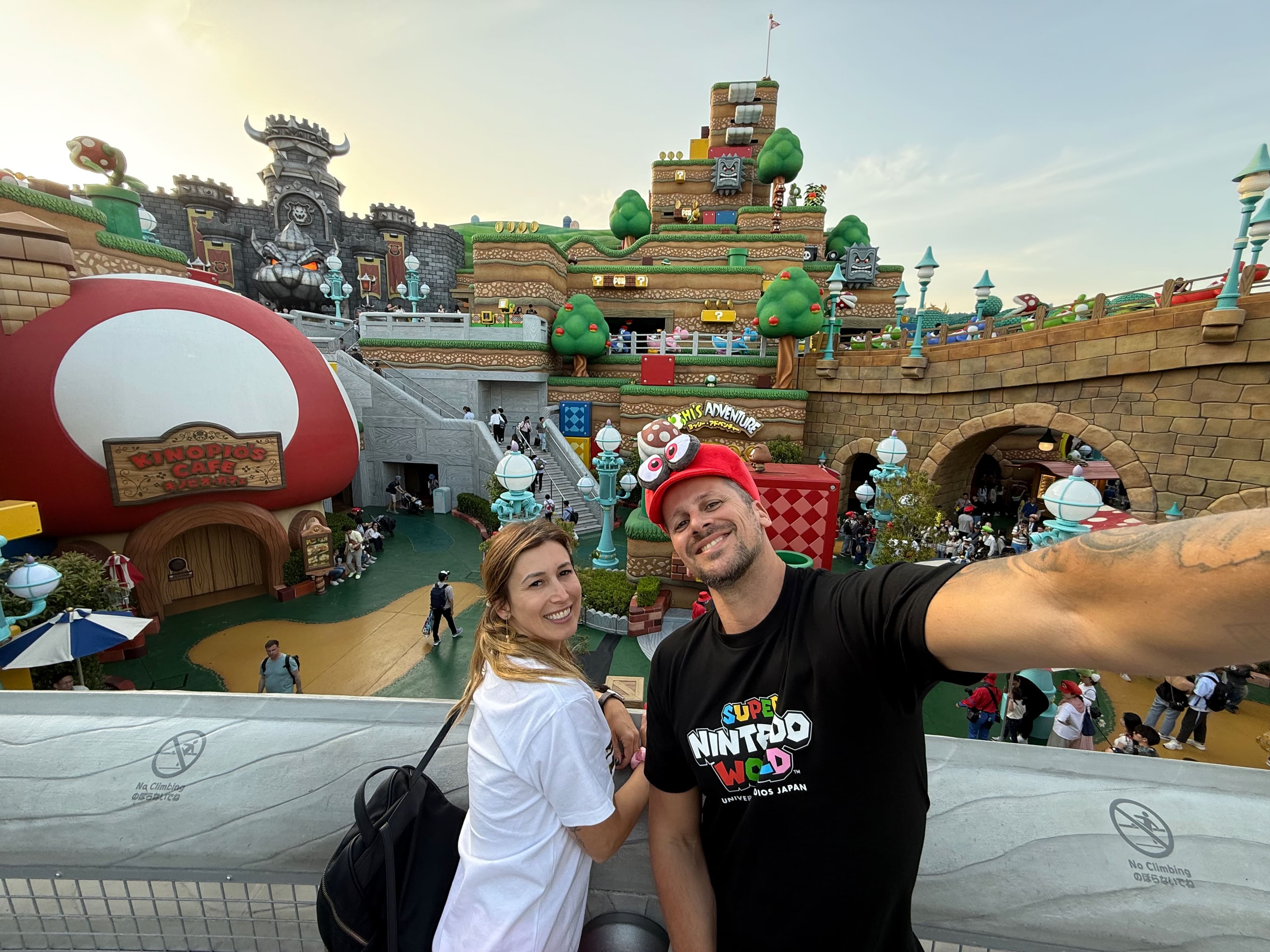
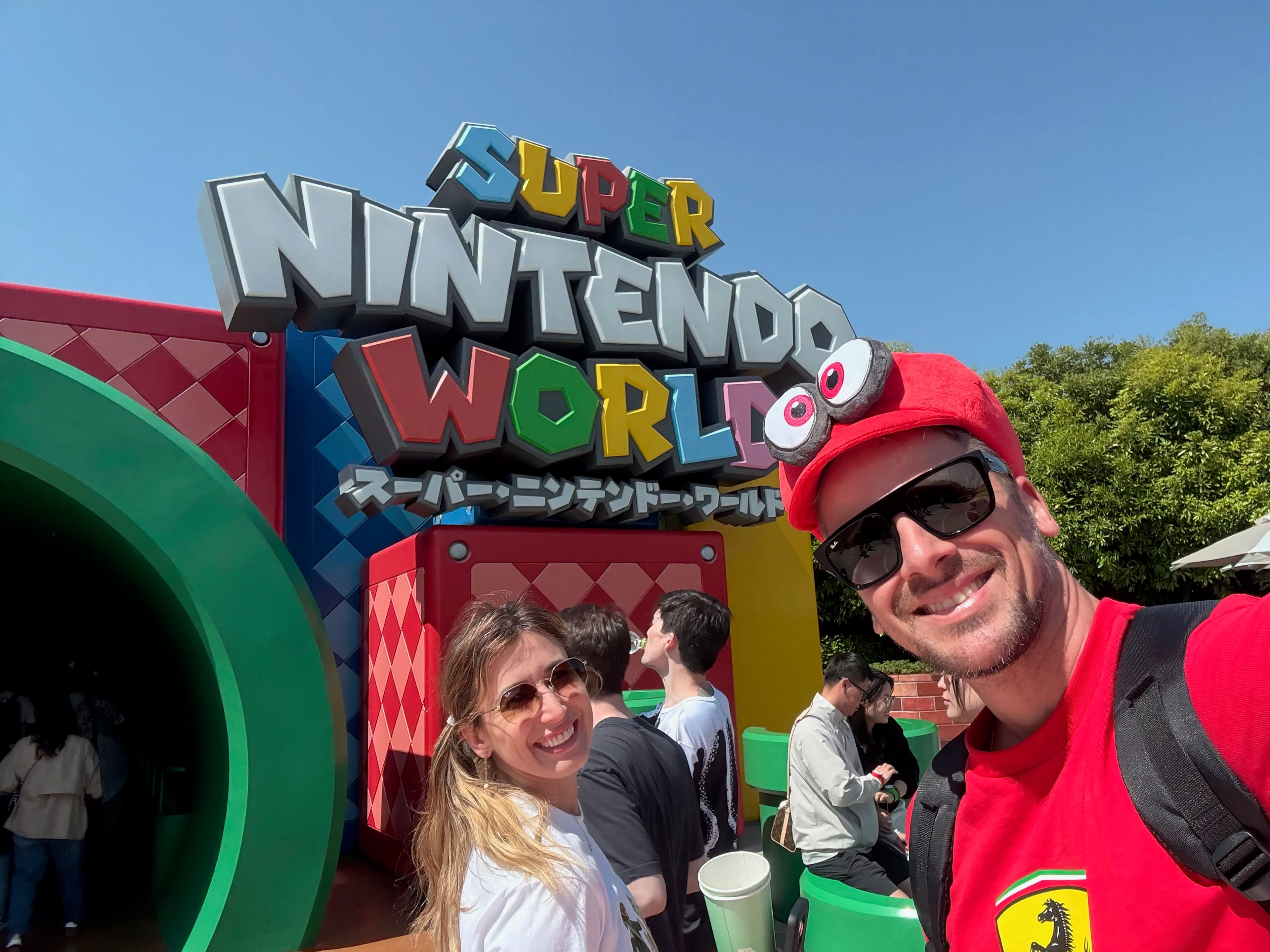
Super Nintendo World at Universal Studios Japan. Every detail is intentional.
Umeda Sky Building and Goodbye to Japan
The final morning. We went to the Shin-Umeda Sky Building, specifically the Floating Garden Observatory on the 39th floor: an open-air circular walkway connecting two towers, with views across Osaka in all directions.
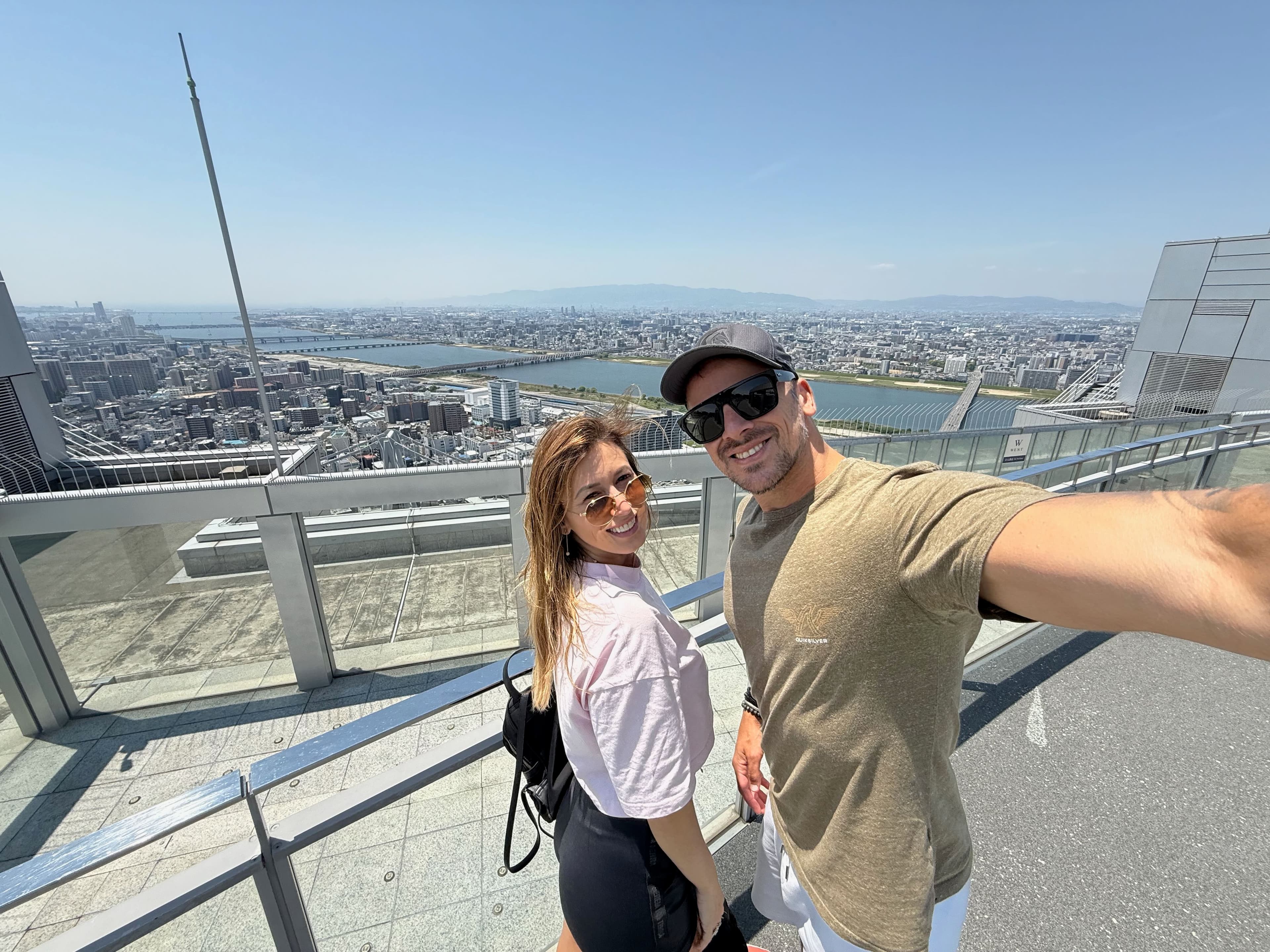
Umeda Sky Building. A good place to say goodbye to an extraordinary country.
We stood up there for a while without saying much. Japan fills you up with so much food, beauty, kindness and strangeness that by the end you just stand on a rooftop and try to take it in before the flight home.
Japan is the kind of place that makes you want to go back before you have even left. We both said it. We will go back.
Eating Your Way Through Japan
Food in Japan deserves its own conversation. Across two weeks and four cities, we ate spectacularly well. The combination of extraordinary quality, affordable prices and the density of good options in every neighbourhood makes Japan one of the best countries in the world to eat in.
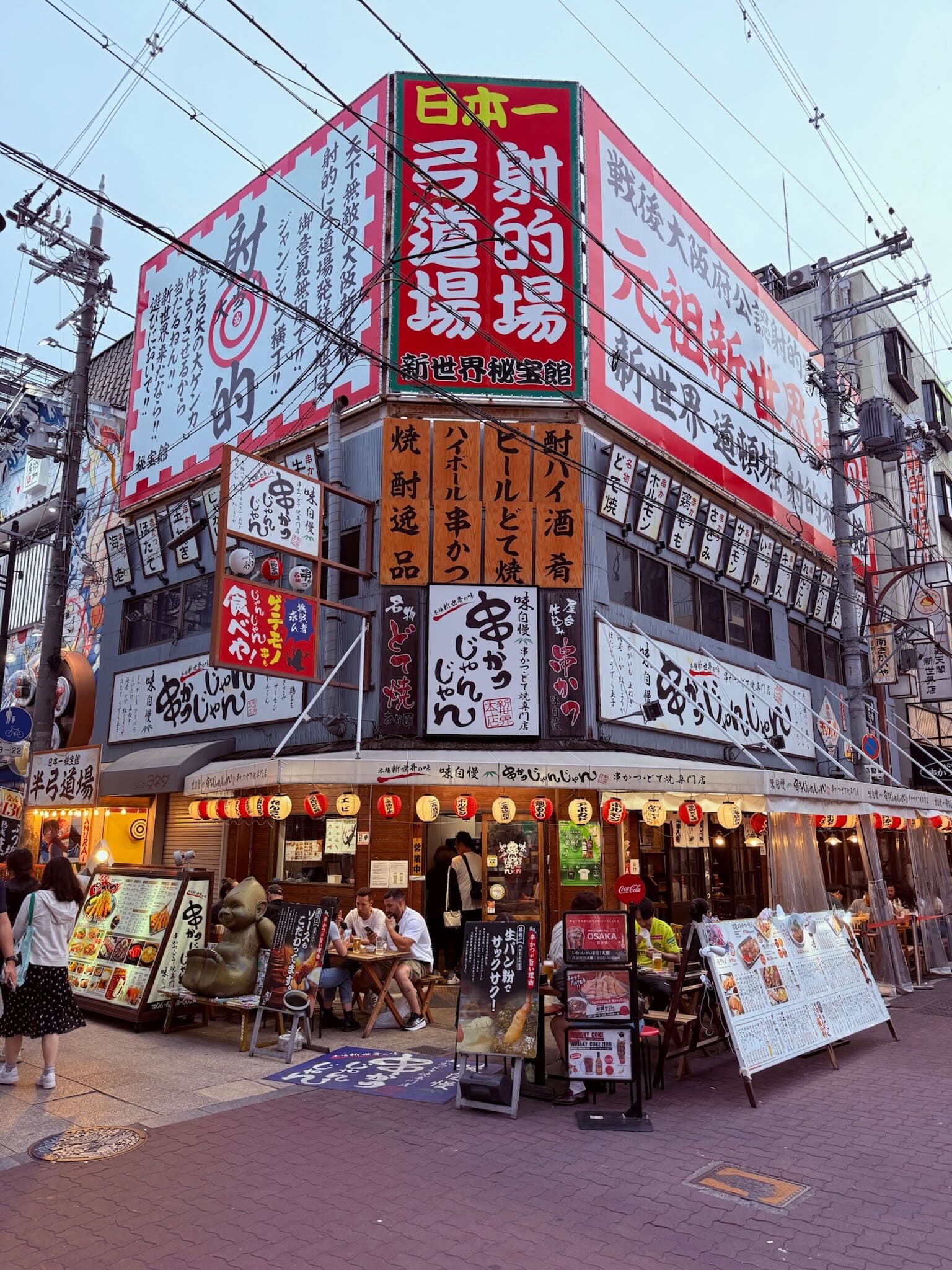
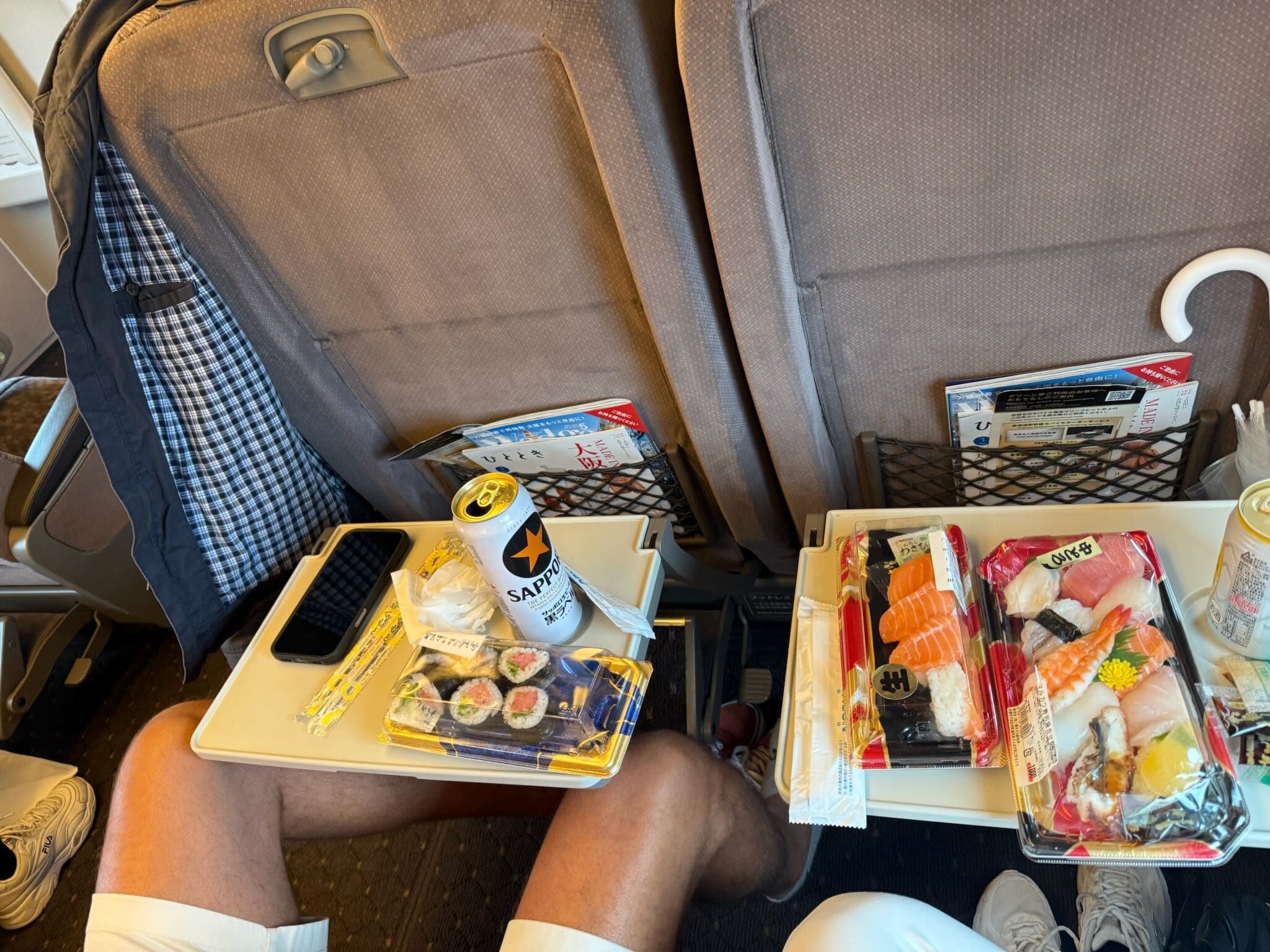
Two weeks of this. Zero bad meals.
Some highlights across the trip: the ekiben (station bento boxes) sold on Shinkansen platforms were excellent meals in themselves. Convenience store onigiri from FamilyMart or 7-Eleven is genuinely good food, not a compromise. Ramen quality is consistently high everywhere, even in cheap side-street spots.
Our highest recommendation: do not over-plan food. Walk until something smells good, go in, point at the pictures if there is no English menu. Japan has the lowest food risk of any country we have visited. Everything is clean, fresh and cared about.
Practical Tips for Tokyo and Osaka
Tokyo is larger than it looks on a map and walking is how you see it. 20,000 steps on a quiet day, 30,000 on a busy one. Vans are not walking shoes. Bring cushioned walking shoes. Every single day.
Book TeamLab and Shibuya Sky in advance. Both sell out, especially on weekends and during Golden Week. Klook is reliable for both. Book the Shibuya Sky sunset slot specifically.
USJ timed entry for Super Nintendo World is separate from the Express Pass. Book both ahead. The Mario Kart queue without Express Pass runs to 90 minutes or more.
Fuji-Q Highland on a weekday. Weekend queues for the big coasters are 2 to 3 hours. A weekday arrival at opening cuts that in half.
Buy your bento at the Shinkansen platform kiosk before boarding. The ekiben are regional and genuinely excellent. Do not board without one.
Osaka Expo: arrive early. The most popular pavilions queue from mid-morning. Go straight to the Saudi Arabia or Japan pavilion first, then work outward.
Cash for small shops. Many ramen shops, izakayas and temple stalls do not accept cards. Withdraw from 7-Eleven ATMs, the most reliable for foreign cards, and keep yen handy.
Planning a Trip to Japan?
Luna builds your personalised Japan itinerary in seconds. Day by day, budget-aware, and fully editable.
Plan My Japan Trip with LunaFree. No credit card required.
Frequently Asked Questions
Is go-karting through Tokyo streets safe?+
Yes, with a licensed operator. You drive street karts on public roads following a guide. You must hold a valid international driving permit. It is loud, chaotic and completely brilliant.
Do you need to book TeamLab Borderless in advance?+
Yes. TeamLab Borderless Tokyo books out weeks in advance, especially on weekends. Book through Klook or the official TeamLab website as soon as your dates are confirmed.
Can you do Mt Fuji as a day trip from Tokyo?+
Yes. The journey takes around 2 hours each way from Shinjuku by coach. A full day gives you time at the fifth station, Lake Kawaguchi, and Fuji-Q Highland if you want to add the theme park.
What is Osaka Expo 2025 like?+
Osaka Expo 2025 runs from April to October 2025 on Yumeshima Island. Pavilions from over 150 countries showcase food, culture and technology. Give yourself a full day and book tickets in advance online.
Is Super Nintendo World worth it at Universal Studios Japan?+
Absolutely. Super Nintendo World is the most immersive theme park area we have ever seen. Book Express Passes online well in advance as queues can be 90 minutes or more without them.
Which Tokyo neighbourhood is best to stay in?+
Roppongi puts you between the quiet residential streets and major museums. Shinjuku suits nightlife and quick access to Fuji day trip coaches. Shibuya is great for shopping and people-watching. All are well connected by metro.
How do you get from Tokyo to Osaka quickly?+
The Shinkansen Nozomi from Tokyo Station to Shin-Osaka takes around 2 hours 20 minutes. Book reserved seats especially during Golden Week.
Luna plans your full Japan trip: from first Shinkansen to last izakaya. Personalised to your travel style, budget and group.
Build my Japan itinerarySome links in this post are affiliate links. If you book through them, Luna Let's Go earns a small commission at no extra cost to you. We only link to experiences and hotels we actually used.